
DIETS
The plant-based diet
Meals built on vegetables, legumes, whole grains, nuts and fruit, with little or no meat
- Eat plenty of
- Vegetables, legumes, whole grains, fruit, nuts, seeds
- Eat some
- Tofu, tempeh, eggs and dairy if you include them
- Eat less
- Meat, refined grains, sweets, sugary drinks, fries
- Watch
- Vitamin B12 if you eat no animal foods at all
What it is
Plant-based means most of what you eat comes from plants. Vegans eat no animal foods, vegetarians eat no meat or fish, and flexitarians eat mostly plants with some meat or fish. A plate of beans, whole grains and vegetables is plant-based; a plate of white bread, fries and soda is too, but it isn’t the same diet. That difference is what the research keeps finding.
What to eat
| Food group | How often | Examples |
|---|---|---|
| Vegetables | Every meal | Leafy greens, broccoli, carrots, peppers, squash |
| Legumes | Every day | Lentils, chickpeas, black beans, peas |
| Whole grains | Most meals | Oats, brown rice, whole-grain bread, quinoa |
| Soy foods | Several times a week | Tofu, tempeh, edamame, soy milk |
| Fruit | Every day | Berries, apples, citrus, bananas |
| Nuts and seeds | Daily, a handful | Walnuts, almonds, chia, flax, pumpkin seeds |
| Eggs, dairy, fish | Optional | If you’re vegetarian or flexitarian |
| Refined and sweet foods | Rarely | White bread, pastries, sugary drinks |
A sample day
Plant-based, one day
- BreakfastOatmeal with soy milk, chia seeds and a sliced pear
- LunchChickpea, spinach and tomato curry with brown rice
- SnackHummus with vegetable sticks and whole-grain crackers
- DinnerBlack bean tacos with avocado, salsa and cabbage
What the research found
Key study
Vegan diets, more weight lost
- Randomized trial
- 63 adults with overweight
- 6 months
Adults were assigned to one of five diets, from vegan to omnivorous, without calorie targets. After six months, the vegan group had lost about 7.5% of their weight and the omnivorous group about 3.1%.
Key study
Healthy plants, healthier heart
- Observational study
- Over 200,000 US health professionals
- Over 20 years
People whose diets were richest in healthy plant foods, such as whole grains, fruit, vegetables, nuts and legumes, had about 25% less coronary heart disease than those whose diets had the least. Diets rich in less healthy plant foods, such as refined grains, sweets and sugary drinks, were linked to about 32% more. This kind of study shows a link, not proof of cause.
In people with type 2 diabetes, a low-fat vegan diet lowered weight and blood sugar more than a standard diabetes diet over 22 weeks 3. In a metabolic ward, people ate about 690 fewer calories a day on a plant-based low-fat diet than on an animal-based keto diet 4.
Good for
- Heart health and fiber
- Lower food costs when built on beans and grains
- People who want to eat less meat
- Feeling full on fewer calories
Watch out for
- Vitamin B12 is needed on a vegan diet
- Protein needs a little planning
- Processed vegan foods are still processed
- More gas at first as fiber rises
Nutrients to watch
- Vitamin B12: found almost only in animal foods. Deficiency is common in vegetarians and especially vegans who don’t take it 5, so vegans need a supplement or fortified foods.
- Iron and zinc: plenty in legumes, whole grains and seeds; eating them with vitamin C, such as peppers or citrus, helps absorption.
- Omega-3 fats: walnuts, chia and flax, or an algae supplement if you eat no fish.
- Calcium and vitamin D: fortified plant milks, tofu made with calcium, and sunlight or a supplement.
- Iodine: iodized salt or a supplement, if you don’t eat dairy or seafood.
How to start
Five first steps
- Start with a few plant-based days a week, or plant-based breakfasts and lunches.
- Build meals around legumes: lentil soups, chickpea curries, bean chili.
- Keep tofu, tempeh and canned beans in stock for quick meals.
- Choose whole grains and whole foods over plant-based processed products.
- If you go fully vegan, start a B12 supplement from day one.
With an eating window
Questions
Do I need to go fully vegan?
No. Most of the benefits in studies come from eating more whole plant foods, which you can do while still eating some meat, fish, eggs or dairy.
Will I get enough protein?
Yes, if you eat legumes, soy foods, whole grains and nuts every day. Mixing sources over the day covers all the amino acids you need.
Do vegans need supplements?
Vitamin B12, yes, always. Depending on your diet and where you live, vitamin D, iodine and omega-3 may help too.
Sources
- Turner-McGrievy GM, Davidson CR, Wingard EE, et al. Comparative effectiveness of plant-based diets for weight loss: A randomized controlled trial of five different diets. Nutrition. 2015;31(2):350-358. doi.org/10.1016/j.nut.2014.09.002
- Satija A, Bhupathiraju SN, Spiegelman D, et al. Healthful and Unhealthful Plant-Based Diets and the Risk of Coronary Heart Disease in U.S. Adults. J Am Coll Cardiol. 2017;70(4):411-422. doi.org/10.1016/j.jacc.2017.05.047
- Barnard ND, Cohen J, Jenkins DJA, et al. A Low-Fat Vegan Diet Improves Glycemic Control and Cardiovascular Risk Factors in a Randomized Clinical Trial in Individuals With Type 2 Diabetes. Diabetes Care. 2006;29(8):1777-1783. doi.org/10.2337/dc06-0606
- Hall KD, Guo J, Courville AB, et al. Effect of a plant-based, low-fat diet versus an animal-based, ketogenic diet on ad libitum energy intake. Nat Med. 2021;27(2):344-353. doi.org/10.1038/s41591-020-01209-1
- Pawlak R, Parrott SJ, Raj S, et al. How prevalent is vitamin B12 deficiency among vegetarians? Nutr Rev. 2013;71(2):110-117. doi.org/10.1111/nure.12001
MAKE IT A HABIT
Any diet.
Your eating window.
Fasting Tracker is a free intermittent fasting app for iPhone, iPad and Apple Watch.
Download Fasting Tracker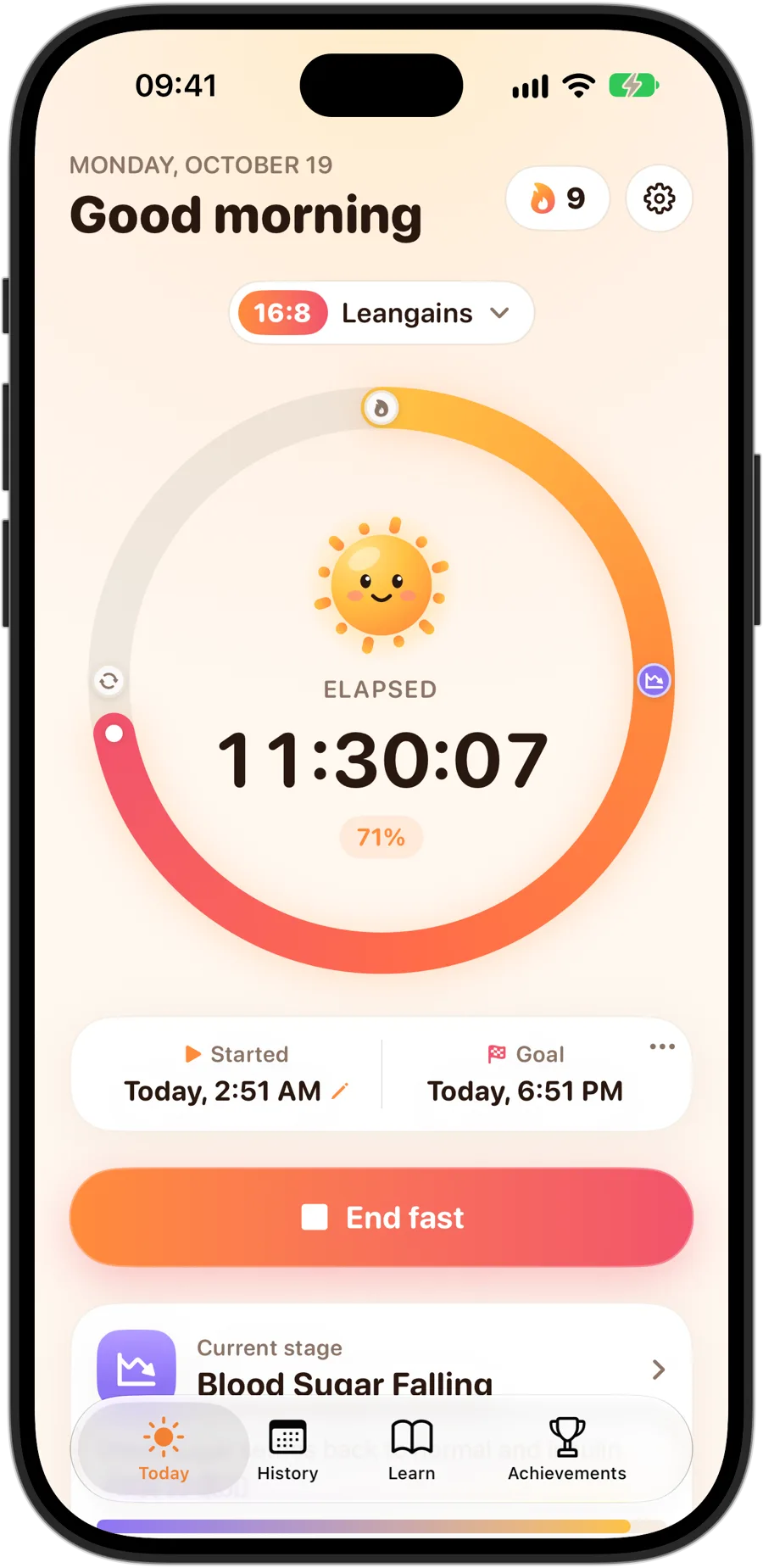
dieting.app is general information, not medical advice. If you are pregnant or breastfeeding, have diabetes, kidney disease or a history of eating disorders, or take medication, talk to your doctor before changing how you eat.